

 Starting an indoor playground business is exciting. You get to imagine a space filled with energy, colour, movement, laughter, and families coming back again and again. But behind every successful play centre is a lot of careful planning.
When you are planning an indoor playground business, the decisions you make early can shape everything that follows. Your layout, equipment, pricing, safety procedures, staffing, marketing, and customer experience all need to work together. Before you commit to a space or start ordering equipment, it helps to ask the right questions.
1. Who Is My Indoor Playground For?
Before choosing your indoor playground equipment, think about who you want to serve.
Are you designing mainly for toddlers? Preschoolers? School-age children? Mixed-age families? Each group has different needs. A toddler-focused play area should feel softer, lower, and easier to supervise. A space for older children may need taller climbing structures, slides, obstacle elements, and more active play opportunities.
Your audience also affects your business model. Families with young children may visit during weekday mornings, while school-age children may be more active after school, on weekends, and during holidays. Knowing who you are building for helps you design a space that feels intentional rather than generic.
2. What Kind of Experience Do I Want to Create?
An indoor playground should be more than a collection of play equipment. It should offer an experience families remember.
Think about the feeling you want people to have when they walk in. Do you want the space to feel bright and energetic? Calm and sensory-friendly? Adventure-focused? Party-ready? Community-centred?
This vision will guide your indoor playground design. It can influence your theme, colours, layout, equipment selection, seating, signage, and even the way you market your business. A clear concept also makes your indoor play centre easier to explain to parents, partners, and potential customers.
3. How Much Space Do I Really Need?
Square footage matters, but the way you use the space matters just as much.
Your building may need room for:
- Play structures
- Toddler zones
- Birthday party rooms
- Seating for parents and caregivers
- Washrooms
- Storage
- Check-in and reception
- Staff areas
- Café or snack space
You should also consider ceiling height, visibility, accessibility, emergency exits, and traffic flow. A large space can still feel awkward if the layout is poorly planned. A smaller space can work well when every area has a clear purpose.
4. What Indoor Playground Equipment Fits My Business Goals?
Your playground equipment should support your audience, your space, and your revenue goals.
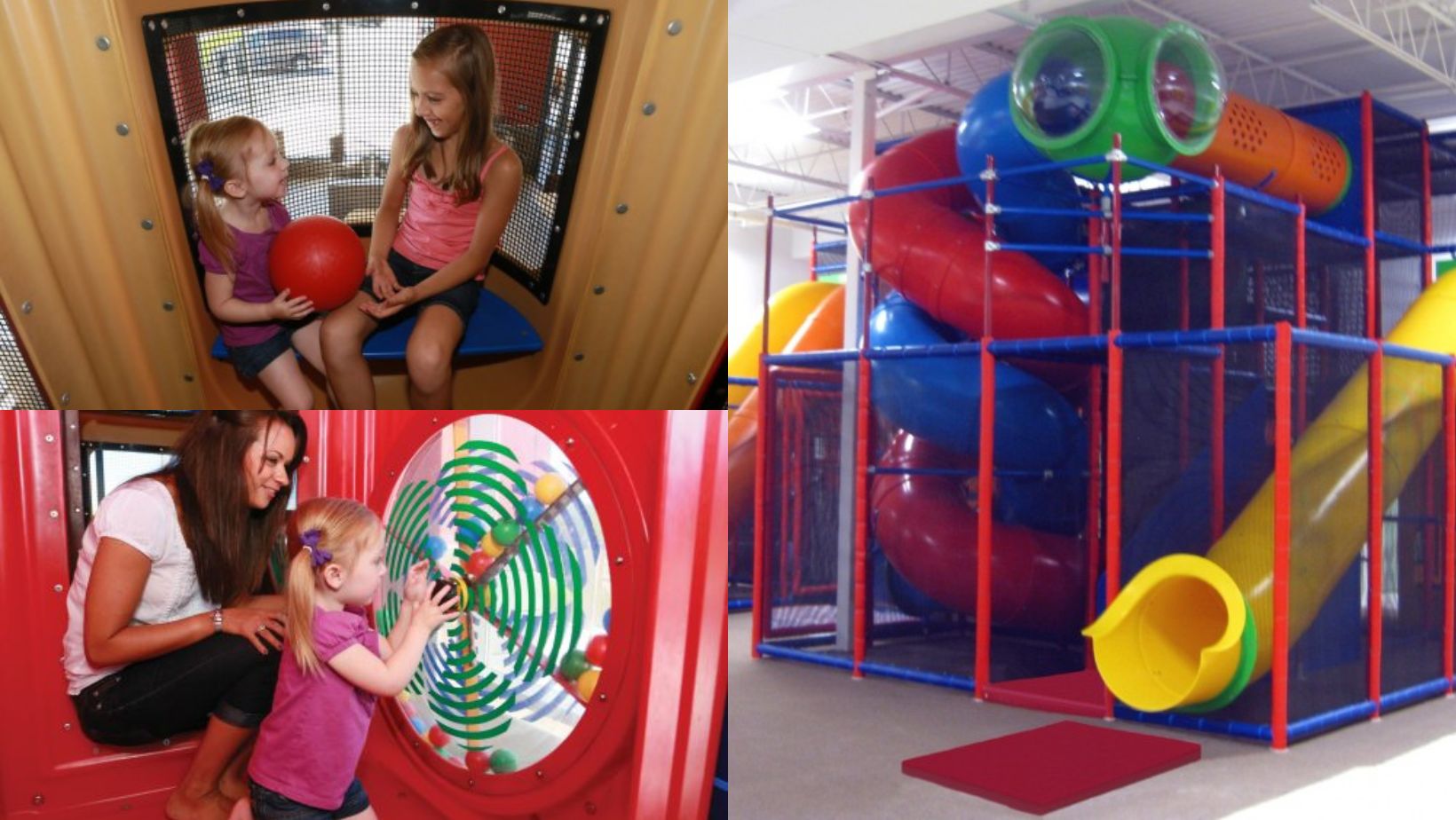
Common indoor playground equipment can include soft play structures, slides, climbing features, obstacle courses, crawl tunnels, activity panels, and toddler-friendly pieces. The best choices depend on the type of play experience you want to offer.
For example, if birthday parties are a major part of your business, you may want equipment that creates a strong “wow” factor. If you want repeat weekday visits, you may need a variety of play elements that keep children engaged over time. Durable, well-designed equipment can also help reduce maintenance issues and support long-term value.
5. How Will the Layout Support Safety and Supervision?
A successful indoor playground layout should make play feel fun while helping parents and staff supervise with confidence.
Think about sightlines. Can caregivers see key areas of the play space? Are younger children separated from bigger, faster-moving children? Are entry and exit points controlled? Is there enough room around equipment to prevent crowding?
Safety also depends on surfacing, spacing, age-appropriate design, clear rules, and routine inspections. When safety is built into the layout from the start, the space feels smoother for families and easier for staff to manage.
6. What Revenue Streams Will Support the Business?
Walk-in admission is only one piece of the puzzle. Many indoor playground businesses build revenue through several different channels.
You may want to offer:
- General admission
- Memberships
- Birthday party packages
- Private rentals
- School or daycare visits
- Camps
- Special events
- Café or snack sales
- Merchandise
Thinking about revenue early helps you plan the space properly. For example, birthday parties may require private rooms, storage, booking systems, and a smoother check-in process. Memberships may require software, clear policies, and consistent programming to keep families engaged.
7. What Will Parents and Caregivers Need?
Children may be the main audience, but parents and caregivers often decide if a family returns.
Comfort matters. Seating, visibility, Wi-Fi, clean washrooms, and access to snacks or drinks can all improve the customer experience. Parents want to feel that the space is clean, organized, and easy to spend time in.
A well-planned indoor play centre gives children room to explore and gives adults a place to relax, supervise, and enjoy the visit.
8. How Will I Handle Cleaning and Maintenance?
Indoor playgrounds need regular care. Cleaning and maintenance should be part of your business plan, not something you figure out after opening.
Consider how you will manage:
- Daily cleaning routines
- Equipment inspections
- Deep cleaning schedules
- Repairs
- Replacement parts
- Staff safety checks
- Incident reports
A clean, well-maintained play space builds trust with families. It also helps protect your investment in equipment and keeps the environment more inviting over time.
9. How Will Families Find My Indoor Playground?
Marketing should begin before opening day. Families need to know who you are, where you are, what you offer, and why your space is worth visiting.
Your marketing plan may include local SEO, a Google Business Profile, social media, email updates, parent groups, community partnerships, and birthday party promotions. Photos and videos can be especially helpful because parents want to see the space before they visit.
Clear messaging matters too. Instead of only saying you offer indoor play, explain what makes your business different. Maybe it is your toddler area, party packages, sensory-friendly hours, themed equipment, or comfortable parent space.
10. How Can the Business Grow Over Time?
A strong indoor playground business should be designed with flexibility in mind.
You may want to add new play elements, update themes, introduce seasonal events, expand party packages, or build membership programs. Planning for future growth can help you avoid a layout that feels too restrictive later.
Trends will change. Children’s interests will shift. Your business may grow in ways you do not expect. A flexible plan gives you more room to adapt without starting over.
Bring Your Indoor Playground Plans to Life
Planning an indoor playground takes more than a fun idea and an empty building. The strongest spaces are built around thoughtful design, durable equipment, smooth operations, and a clear understanding of what families need.
If you are planning an indoor playground business, SPI Plastics can help you choose high-quality indoor playground equipment that supports your space, audience, and long-term goals. Contact SPI Plastics to start exploring equipment options for your indoor play centre.
FAQS
What should I think about before starting an indoor playground business?
Think about your target audience, location, space, layout, equipment, safety requirements, staffing, pricing, maintenance, and marketing plan.
What makes a good indoor playground layout?
A good layout includes clear sightlines, age-appropriate play zones, safe traffic flow, accessible pathways, parent seating, and proper spacing around equipment.
What equipment do you need for an indoor playground business?
Common equipment includes soft play structures, slides, climbing features, tunnels, obstacle elements, toddler play pieces, and interactive play panels.
How can an indoor playground business make money?
Revenue can come from admission, memberships, birthday parties, private rentals, group bookings, camps, events, café sales, and merchandise.
Why is indoor playground planning important?
Planning helps you make smarter decisions before opening. It can reduce costly changes, improve safety, support better operations, and create a stronger experience for families.